IN CASE YOU NEED TO HEAR IT
Your grief is valid. Your loss matters. You are welcome here.

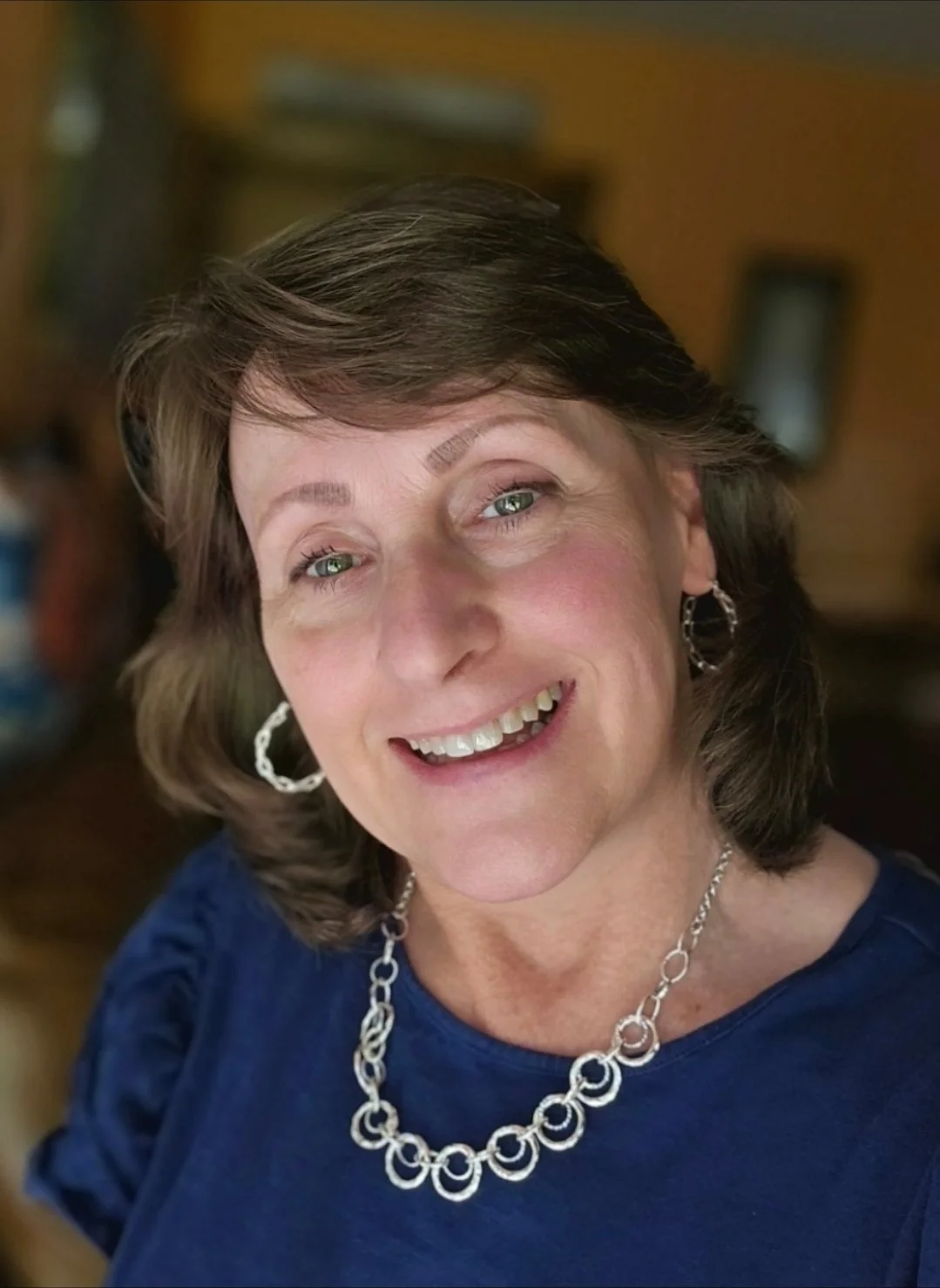
Hi, I'm Deborah. I help people who are grieving feel less overwhelmed and more prepared to handle the practical and emotional challenges after a major loss, so they can keep living a full life.
To do that, you need a clear plan for the coming weeks and months because grief lasts longer than the few days given for bereavement.
Our grief coaching services are here to provide compassionate support and practical guidance as you journey through loss.
Whether you are grieving the death of a loved one, the end of a relationship, or a major life transition, grief coaching offers a safe space to explore your feelings, honor your experiences, and find a sense of balance and healing.
This is not about “fixing” grief or rushing the process—it’s about meeting you where you are, knowing why you feel this way, knowing your grieving style (there’s no wrong way), and helping you take steps toward healing and hope with a simple set of tools.
Still not sure if you want help? Ask yourself, “Could I benefit from talking to people who generally know more about grief than I do?”
Grief and loss take a LOT out of us. You don’t need to do it alone. With personalized support, you can find meaning, resilience, and the strength to move forward.
Let’s take this journey together.

Grief Coaching
Grief coaching supports people who want grief-focused help without clinical therapy. It’s practical, relationship-based care that meets you where you are and centers your experience rather than treating a diagnosis.
What grief coaching can help you with
Adjusting to a changed identity after loss
Reducing overwhelm and supporting nervous-system regulation
Rebuilding daily routines and structure
Navigating anniversaries, holidays, and other trigger days
Building practical coping skills and grief practices
Fitting grief into everyday life so you can keep functioning while grieving
How coaching relates to therapy
Coaching is nonclinical: grief coaches do not diagnose or provide clinical treatment for conditions like major depression or PTSD.
Coaching can complement therapy when roles are clear. For example, a therapist may treat depression or trauma, while a grief coach helps with personalized, practical grief work.
Coaches are trained to recognize when clinical care is needed and will refer you to a therapist if that’s the best course. Please be aware that many therapists and medical providers receive little to no grief education. If you are choosing your own therapist, choose one that is trauma informed.
When to start with a grief coach
Starting with a grief coach can be a good option if therapists have long waitlists or if you want focused, practical support rather than clinical treatment.
Some people find coaching is enough; others begin coaching and later move into therapy if recommended or needed. Our coaches can refer you to therapists when appropriate.
Options available
Secular and Christian grief-coaching options are available to match different values and spiritual needs.
A grief coach’s role is to listen, create personalized practices, and help you integrate grief into your day-to-day life so you can carry on while honoring your loss.

You’re a smart, capable person who enjoys feeling in control.
You’re proud of the life you’ve built or are creating, even with the challenges you’ve encountered.
You have a business, career, or other work that keeps you busy.
You’re often the “responsible one,” taking care of others, whether it’s family, children, friends, or clients.
You like feeling on top of things.
HERE’S THE PROBLEM
When we experience grief and loss after the death of a loved one, we often face circumstances beyond our control.
Death, illness, life-changing diagnoses.
How other people act, and what they say or don’t say.
Family dynamics and conflicts.
Our bodies and brains responding in unfamiliar ways.
And often, because we’re the “responsible ones,” we may suddenly have a lot more on our plates.
The physical stuff: Belongings, heirlooms, junk, piles to sort through.
The responsibilities: The estate, probate, paperwork, appointments, endless decisions.
The emotional stuff: Regret, resentment, anger, anxiety, guilt, strained relationships. The sheer exhaustion.
IT’S A LOT.
That’s when the life you’re trying to build feels like it’s at risk.
When we feel like we might lose even more: Our own physical or mental health, our relationships, our livelihood.
THERE IS HOPE
You CAN get through this. You are NOT going crazy.
(Grief just makes us feel crazy sometimes.)
Lighten your load.
What you need is the right kind of grief support. For you.
You need a realistic plan of action for the coming weeks and months. (Grief extends beyond 3 days of bereavement leave.)
You need to understand why you’re feeling the way you are, and your individual grieving style. (You’re not doing it wrong.)
You need a personal tool kit to help you navigate the emotional and practical aftermath of this huge loss.
You need the attention and support of someone who understands what you’re going through, and who cares about and remembers the details of your loss. (No need to recount the story over and over to your therapist and well-meaning acquaintances.)
You need to know you’re not alone. Not anymore.
I’m here for you.